

Solved

Integration between App8 and cloud for intercompany cycle

  • March 23, 2026
  • 2 replies
  • 8 views

Forum|alt.badge.img+3

There is a requirement for an Intercompany (IC) set up when the business unit operates in IFS Applications 8 and the manufacturing plant operates in IFS Cloud. Apps 8 raises an external Customer Order and an Intercompany Purchase Order; Cloud creates the internal trade Customer Order, manufactures, ships, and invoices. Anyone who has handled a similar requirement? since this is not possible without an integration customer will go for an integration set up, is using connect will be the best possible choice?

What should be focused on when designing the solution in this direction? should we use purch order direct purch order transit rather than int purch dir and int purch transit if the customer and supplier is treated separately in different DBs?, tips and ideas are welcome :) (APP 8 BUs will come to cloud eventually but not now so this is an interim solution until all comes to cloud.)  
 

Best answer by Guzik

hi ​@XitKushmG ,


That’s very interesting setup.

I would say that the quite easy architecture would consist of exchanging files. It is already configured but requires some set-up for IC exchange:

  •  IFS8 output folder is the same directory where IFS cloud picks up incoming customer orders and requests for change
  • IFS output is the same as incoming purchase confirmation and direct delivery confirmation
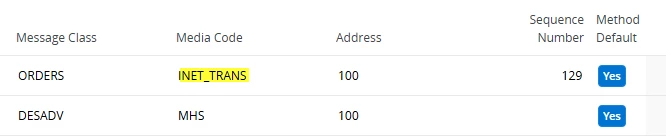
  • in the message setup of Supplier and customer you should use NET_TRANS instead of MHS:
  •  

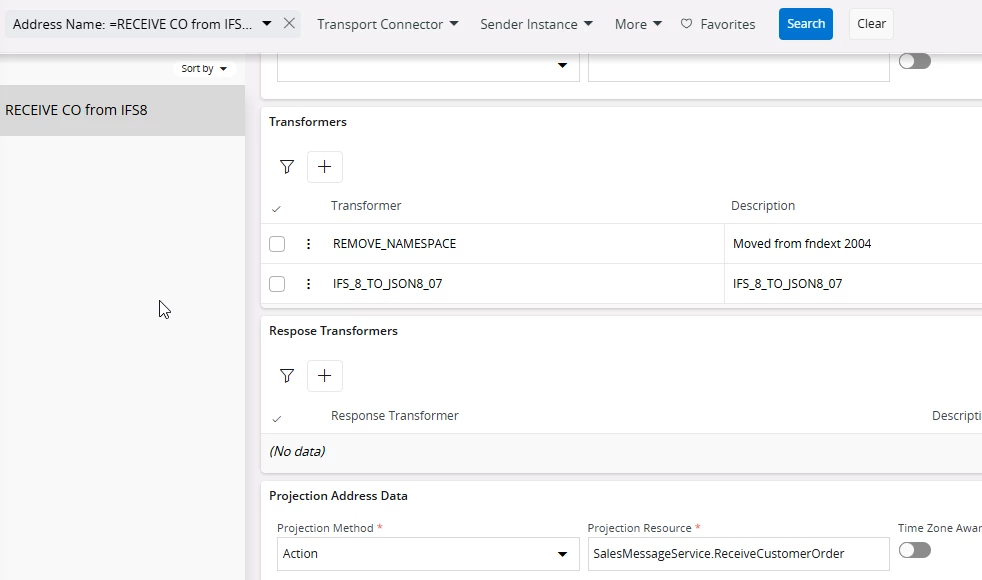
  • routing addresses (in IFS Cloud) have transformers that converts JSONs to XML and XMLs to JSONs
  • routing rules to direct to corresponding folder:


I would still use Int pur direct/transit as it refers to internal suppliers:


Coming back to the routing addresses, this is the main difference that IFS Cloud uses JSON format while IFS8 XMLs but they can be easily converted within IFS Cloud. 


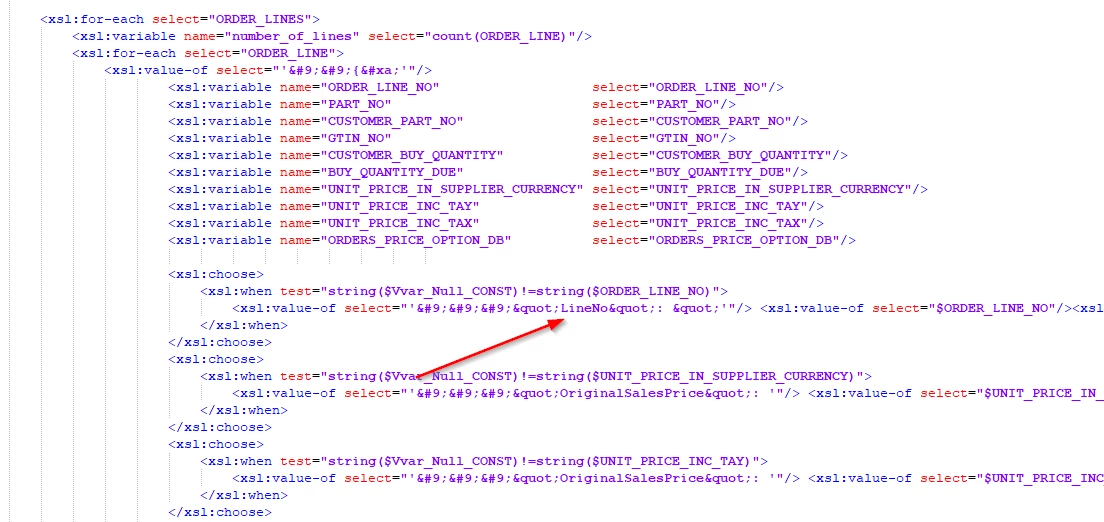
Transformers change format like:

<ORDER_LINE_NO>2 <ORDER_LINE_NO> into “LineNo” : “2” 


regards,

Kajetan


2 replies

Guzik
Hero (Customer)
Forum|alt.badge.img+5
  • Hero (Customer)
  • Answer
  • March 23, 2026

hi ​@XitKushmG ,


That’s very interesting setup.

I would say that the quite easy architecture would consist of exchanging files. It is already configured but requires some set-up for IC exchange:

  •  IFS8 output folder is the same directory where IFS cloud picks up incoming customer orders and requests for change
  • IFS output is the same as incoming purchase confirmation and direct delivery confirmation
  • in the message setup of Supplier and customer you should use NET_TRANS instead of MHS:
  •  

  • routing addresses (in IFS Cloud) have transformers that converts JSONs to XML and XMLs to JSONs
  • routing rules to direct to corresponding folder:


I would still use Int pur direct/transit as it refers to internal suppliers:


Coming back to the routing addresses, this is the main difference that IFS Cloud uses JSON format while IFS8 XMLs but they can be easily converted within IFS Cloud. 


Transformers change format like:

<ORDER_LINE_NO>2 <ORDER_LINE_NO> into “LineNo” : “2” 


regards,

Kajetan


Forum|alt.badge.img+3
  • Author
  • Do Gooder (Partner)
  • March 23, 2026

Hey Kajetan,

Thank you very much for the reply, I will definitely try this, did not know INET_TRANS would be a possibility as its 2 completely different setups, We are in 25R1.

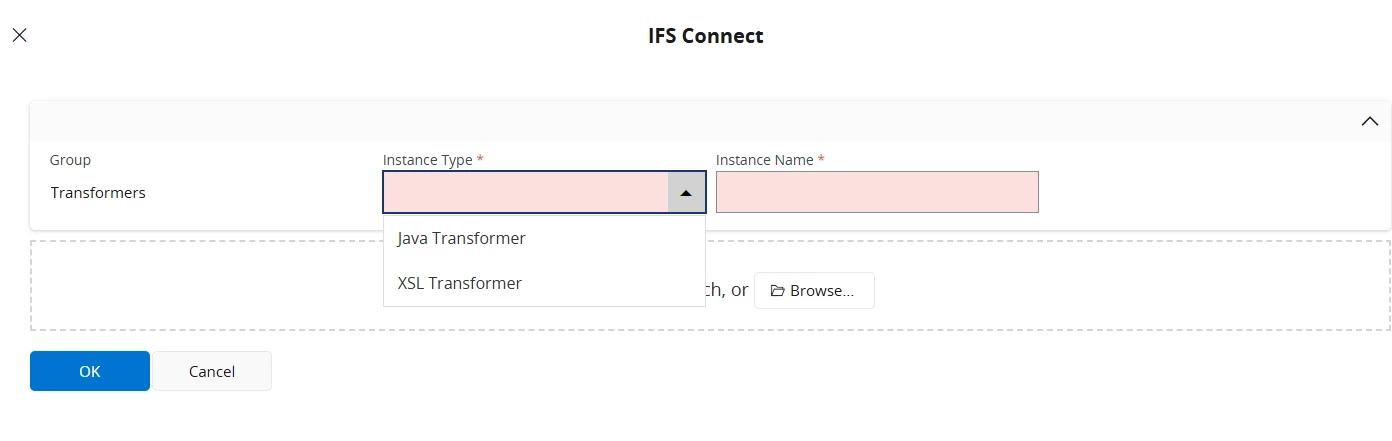
I will need some further guidance on the way you create the transformer IFS_8_TO_JSON8_07 ,  which instance type should it be and where can i find the xsl to upload if this need to be created. 

Really Appreciate your guidance :)


Best Regards

Kushmi